The Bible is not merely a sequence of books. It is the record of God binding creation, families, a nation, a kingdom, and finally all peoples to Himself.
A contract exchanges property or service. A biblical covenant establishes a sacred bond: persons give themselves, obligations are sworn, and a new relationship is created or renewed before God.
Scripture uses covenant language at several levels. Some covenants are universal acts of God. Some organize Israel's life. Some promise a future restoration. Others are treaties, friendships, marriages, or solemn reforms made by human beings. They belong on the same map, but they do not carry the same theological weight.
How this page uses “all”
The page presents every major divine covenant in salvation history, the principal covenant renewals and prophetic covenant promises, and the named human covenants that shape the biblical narrative. Passing references to ordinary oaths are grouped by type rather than treated as new stages of revelation.
Major divine covenant
God establishes a lasting stage in salvation history.
Renewal or reform
God's people solemnly return to an existing covenant.
Prophetic promise
A prophet announces the covenant's future purification or fulfillment.
Human covenant
A treaty, friendship, marriage, or political bond within the story.
The central architecture
Seven major covenants
Each covenant widens the household of faith: from the first human pair, to the whole earth, to a family, a nation, a kingdom, and the universal communion founded in Christ.
ICovenantal beginning · implicit
Creation
Adam and Eve · the first household
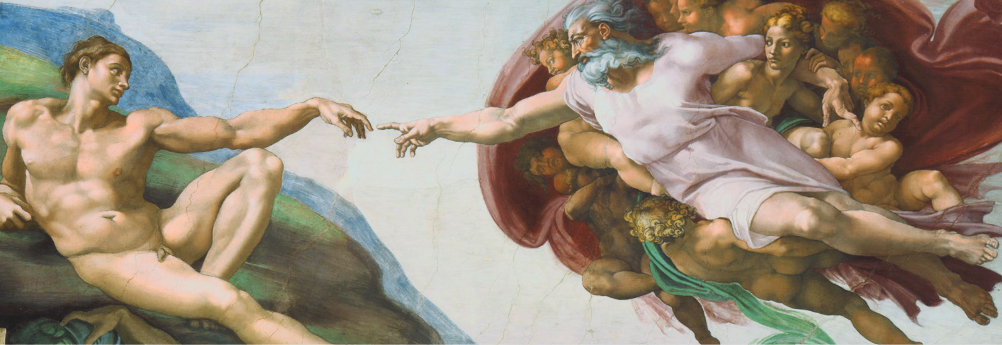
Genesis does not use the word “covenant” in chapters 1–3, yet it presents the covenantal pattern: God gives life, a dwelling, a vocation, a command, and communion with Himself. Hosea later speaks of transgressing the covenant “like Adam,” which is why Catholic biblical theology often calls this the Adamic or creation covenant.
The Creation of Adam Michelangelo · Sistine Chapel ceiling
Parties
God and humanity in Adam and Eve
Scope
The human family and the created order
Gift
Life, communion, fruitfulness, and stewardship
Obligation
Trustful obedience to God's command
Sign
No covenant sign is named; the seventh-day rest supplies the creation pattern later used as a sign at Sinai
Fracture
Sin brings exile, death, and disorder
First promise after the fall
The woman's offspring will strike the serpent's head — the first announcement of redemption.
Fulfillment line Christ is the New Adam, obedient where the first Adam fell, and the Cross opens the way to a new creation.
IIExplicit divine covenant · universal
Noah
A household preserved · the whole earth protected
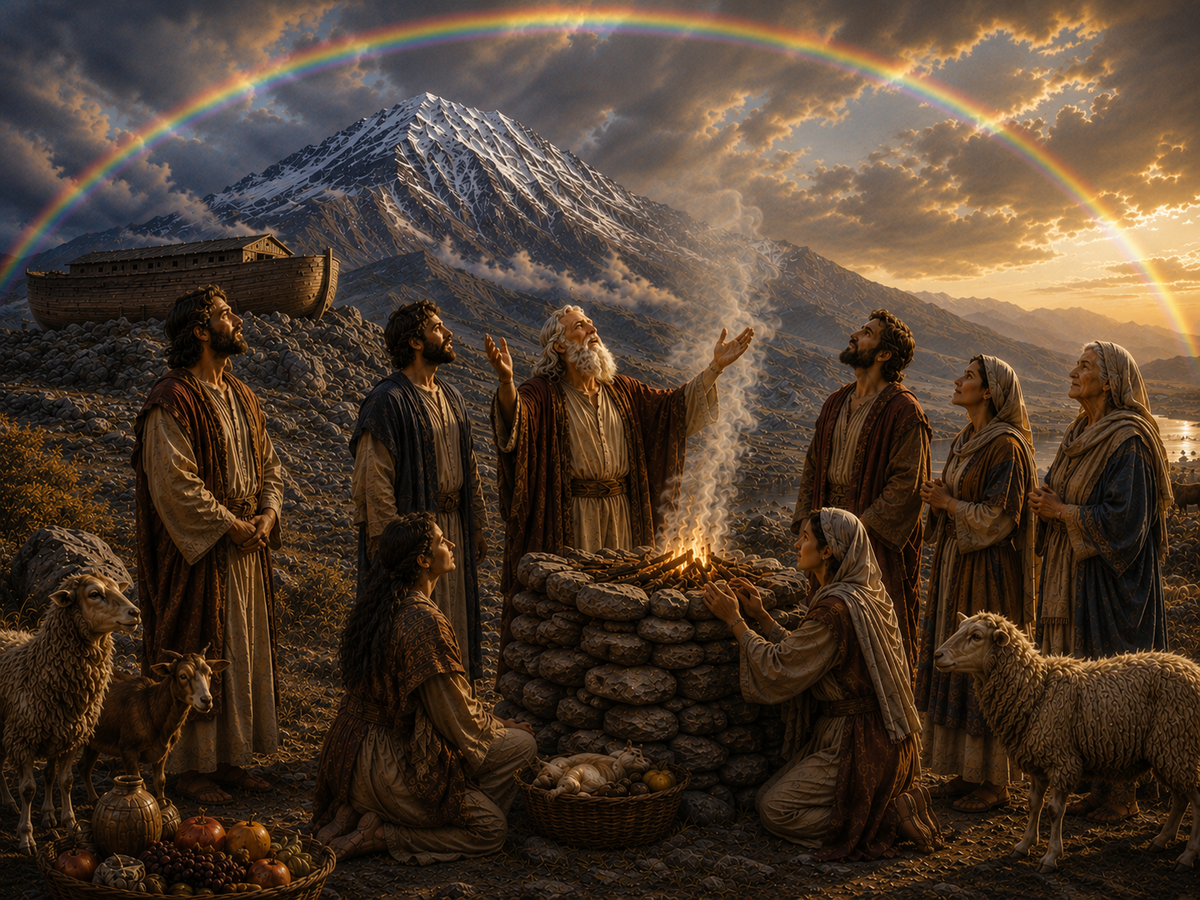
After the flood, God binds Himself not only to Noah's family but to every living creature. Human sin remains real, yet the stability of the world is guaranteed so that the history of salvation can continue.
Noah after the flood The covenant sign appears over the preserved household
Parties
God, Noah, his descendants, and every living creature
Scope
Universal and enduring for the earth
Promise
No flood will again destroy all flesh
Sign
The bow set in the clouds
Human duty
Reverence for life and the prohibition of bloodshed
Worship
Noah builds an altar and offers sacrifice
Catholic significance
The Catechism calls the Noahic covenant the foundation of God's economy toward the nations until the universal proclamation of the Gospel.
Fulfillment line The ark becomes a biblical type of salvation through water, which the First Letter of Peter connects to Baptism.
IIIExplicit divine covenant · patriarchal
Abraham
A family chosen for the blessing of every nation
God calls Abram out of the nations and promises him descendants, land, kings, and a worldwide blessing. The promises unfold through several encounters, becoming the charter for Israel's identity and the missionary horizon of the entire Bible.
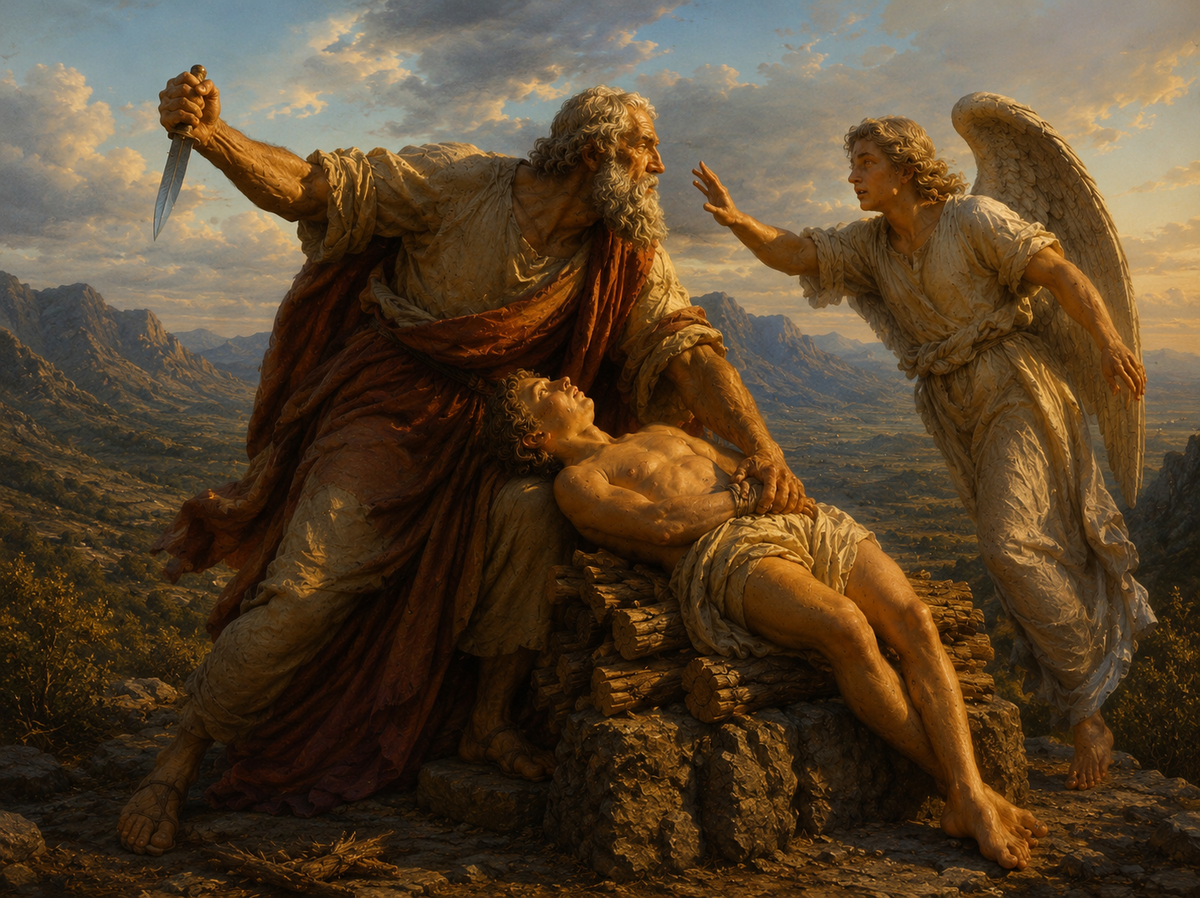
The binding of Isaac The angel stays Abraham's hand on Moriah
Parties
God, Abraham, and his descendants
Mediator
Abraham, father of believers
Promises
Descendants, land, a great name, kingship, and blessing for all nations
Sign
Circumcision
Ratification
The divided animals and divine fire of Genesis 15
Test
The binding of Isaac on Moriah
Threefold horizon
A people through Isaac, a royal line, and a blessing that reaches the Gentiles.
Fulfillment line Jesus, the son of Abraham, extends Abraham's blessing to the nations; those who belong to Christ become heirs according to the promise.
IVExplicit divine covenant · national
Sinai
Moses and Israel · a people formed for worship
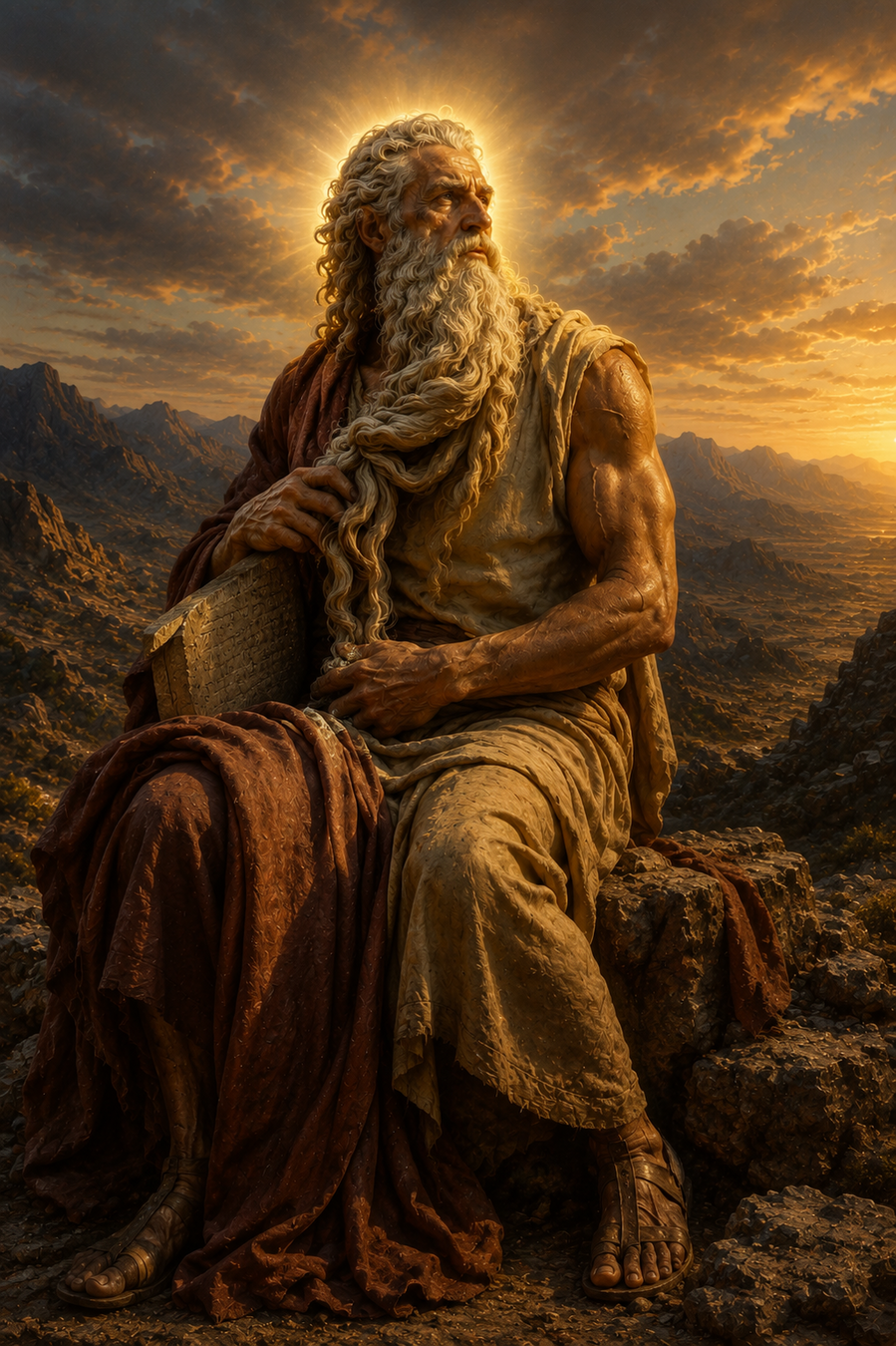
The descendants of Abraham are delivered before they receive the Law. At Sinai, God forms the redeemed slaves into His “peculiar possession,” a priestly kingdom and holy nation, with a common worship and a concrete rule of life.
Moses at Sinai The mediator holds the tablets of the covenant
Parties
The Lord and Israel
Mediator
Moses
Charter
The Ten Commandments and the Book of the Covenant
Ratification
Sacrifice and the “blood of the covenant” sprinkled on altar and people
Sign
The Sabbath is explicitly called the perpetual sign between God and Israel
Memorial meal
Passover recalls the deliverance that brought Israel to covenant
Purpose
To teach a redeemed people holiness, justice, worship, and readiness for the Messiah.
Fulfillment line Christ fulfills the Law, gives the New Law in the Spirit, and speaks again of covenant blood at the Eucharistic table.
VExplicit divine covenant · priestly grant
Priesthood
Aaron, Levi, and Phinehas · service at the sanctuary
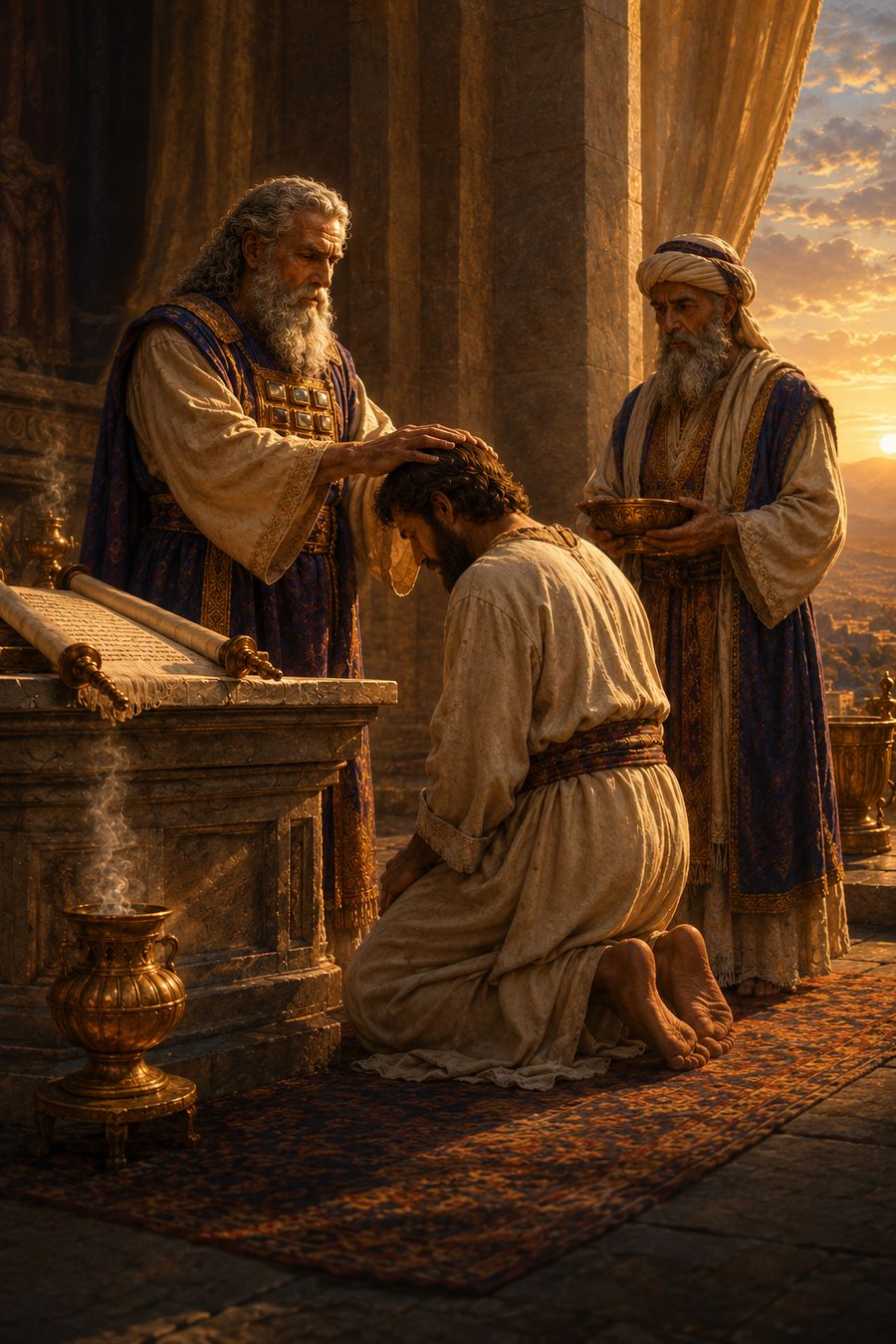
Scripture speaks of a covenant attached to Israel's ministerial priesthood. The priestly portions are called a perpetual “covenant of salt,” and Phinehas receives a “covenant of peace” expressed as a perpetual priesthood for his descendants.
The priestly office Sacred service entrusted for the worship of Israel
Recipients
Aaron's house, the Levites, and specifically Phinehas's line
Scope
Priestly ministry within Israel
Grant
Perpetual service, priestly portions, and responsibility for sanctuary worship
Covenant names
Covenant of salt; covenant of peace; covenant with Levi
Sign
No separate physical sign is named; the enduring priestly office embodies the grant
Warning
Malachi rebukes priests who corrupt the covenant of Levi
Why it is listed separately
Numbers and Malachi explicitly call this priestly bond a covenant, even though it operates within the wider Sinai covenant.
Fulfillment line Christ possesses an indestructible priesthood and, in the Letter to the Hebrews, fulfills the sacrificial ministry toward which the Levitical service pointed.
VIExplicit divine covenant · royal
David
A kingdom, a son, and a throne established forever
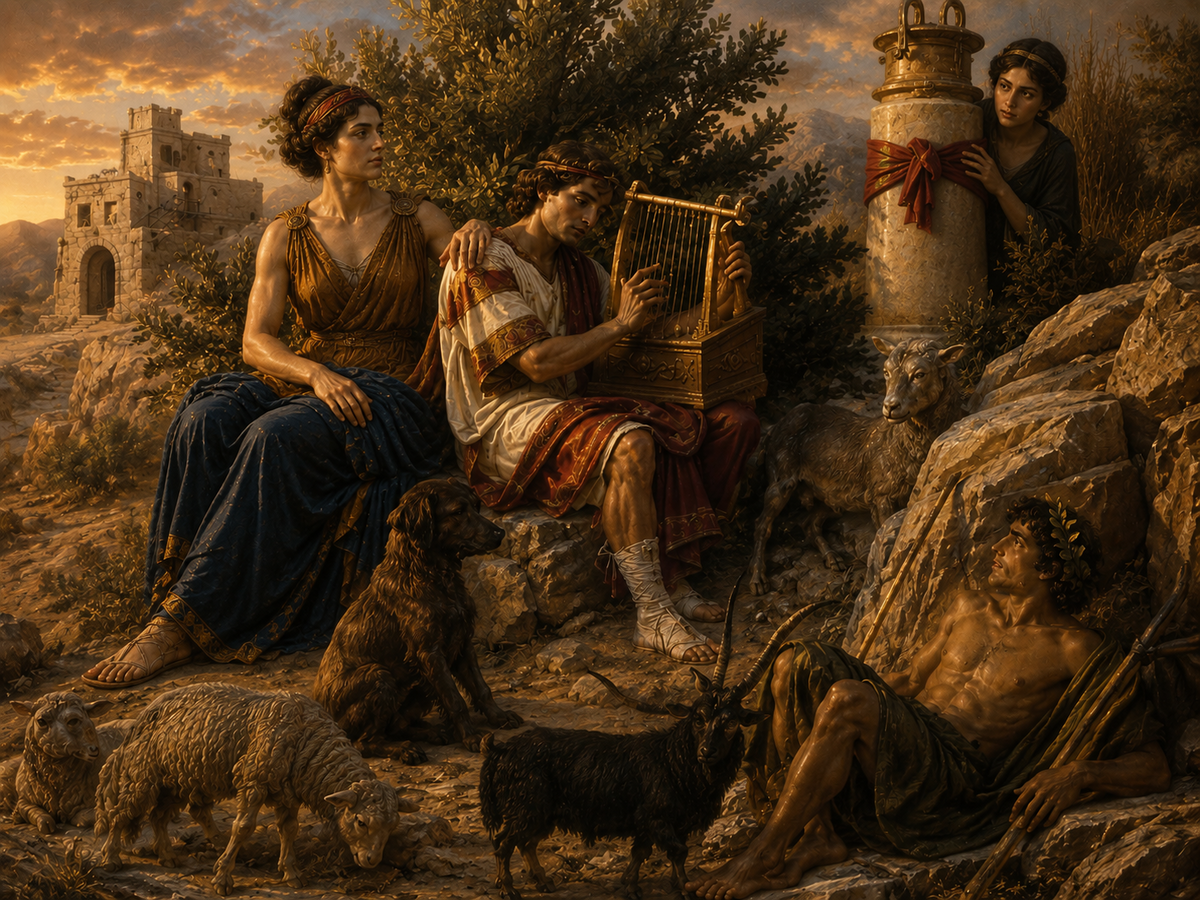
God promises David a “house” in the dynastic sense. David's son will build the temple, stand to God as a son, and inherit a throne whose final horizon is everlasting. The Psalms and prophets repeatedly call this promise a covenant.
David, shepherd and psalmist The anointed king whose house receives an everlasting promise
Parties
God, David, and his royal house
Mediator
David, the anointed king
Promises
A great name, rest, a dynasty, a son, a temple, and an enduring throne
Royal relationship
“I will be to him a father, and he shall be to me a son”
Sign
No single ritual sign is designated; the throne, anointing, Zion, and temple visibly carry the promise
Discipline
Individual kings may be chastised without cancelling God's sworn fidelity to David
Messianic expectation
After the monarchy falls, Israel waits for the righteous branch and son of David who will restore the kingdom.
Fulfillment line Jesus is announced as David's son and receives the throne of His father David; His kingdom has no end.
VIIExplicit divine covenant · definitive
The New Covenant
Jesus Christ · the universal family of God
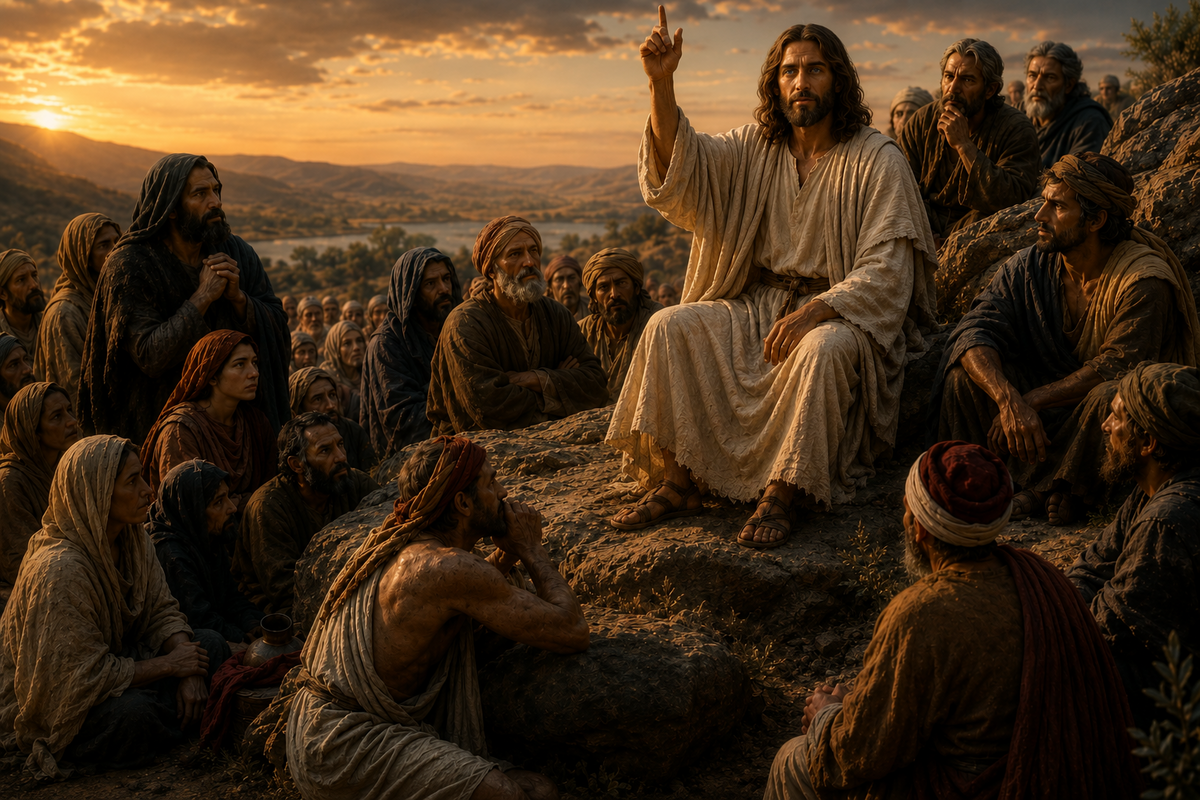
The prophets promise a covenant unlike the one broken after the exodus: God's law written on hearts, sins forgiven, the Spirit given, and a restored people gathered in peace. At the Last Supper, Jesus identifies the cup with this New Covenant in His Blood.
Christ teaches the New Law The Sermon on the Mount forms the people of the New Covenant
Parties
God and the renewed people gathered in Christ, from Israel and the nations
Mediator
Jesus Christ, true God and true man
Promises
Forgiveness, the indwelling Spirit, the law on the heart, knowledge of God, and everlasting communion
Ratification
The sacrificial Blood of Christ on the Cross
Covenant sign and memorial
The Eucharistic cup of the New Covenant; Baptism incorporates believers into Christ
Law
The grace of the Holy Spirit expressed in faith working through charity
Relation to the earlier covenants
It fulfills rather than erases their divine promises: creation is renewed, Abraham's blessing reaches the nations, Israel's vocation is fulfilled, and David's kingdom becomes everlasting in Christ.
Definitive fulfillment The New Covenant is the final covenantal economy. It is already active in the Church's sacramental life and awaits its unveiled completion in the heavenly Jerusalem.
Return, repair, recommit
Covenant renewals and reforms
These moments do not create seven or nine new religions. They renew Israel's existing bond with God at a crisis, transition, or national restoration.
Before entering the land
Moab
Moses renews the covenant with the second generation after the exodus, setting blessing and curse, life and death, before them.
The returned community makes a covenant to address marriages that threatened its fragile religious identity. The episode records a severe historical reform, not a general Christian rule for marriage.
The prophetic books do not abandon the covenant story. They announce its purification: a faithful bride, a shepherd-king, a servant given as covenant, a new heart, and peace that cannot be shaken.
Betrothal and peace
Hosea
God promises a covenant of peace with creation and a renewed betrothal in justice, mercy, fidelity, and knowledge of the Lord.
The Servant is appointed “for a covenant of the people.” Isaiah also promises an everlasting covenant, the faithful mercies of David, and an unshaken covenant of peace.
The New Covenant will differ from the covenant broken after Egypt: God's law will be written within, every member will know Him, and sin will be remembered no more.
A humble king comes to Zion, announces peace to the nations, and frees prisoners “by the blood of thy covenant,” language the Gospel story brings toward Christ.
These covenants are not equal to God's saving covenants. They show how Scripture uses the same solemn vocabulary for peace treaties, loyal friendship, royal government, marriage, and international alliance.
Judas Maccabeus establishes an alliance with Rome, and later Hasmonean leaders renew diplomatic bonds with Rome and Sparta. These books preserve covenant diplomacy found only in the Catholic and Orthodox biblical canons.
Amos condemns Tyre for forgetting a covenant of brothers, showing that international loyalty can also be judged in covenant terms.
Words that carry the idea
Covenant language beyond the main list
The Bible also uses covenant as a metaphor, a fixed divine ordinance, or a warning. Job makes a “covenant” with his eyes to reject lust. Jeremiah calls the regular order of day and night God's covenant with creation. Isaiah mocks a false “covenant with death.” Salt symbolizes permanence in priestly and royal grants. These are real uses of covenant language, but not separate stages in salvation history.
The covenant facts and descriptions are drawn from the biblical passages linked on each entry. The local reader provides the complete 73-book Douay-Rheims Bible, including the covenant diplomacy recorded in First Maccabees.
Catechism of the Catholic Church
For the stages of revelation, see CCC 54–73; for the unity of the Old and New Testaments, CCC 121–130; for covenant signs, CCC 1150; for Christ's New Covenant sacrifice, CCC 610–611; and for the Old and New Law, CCC 1961–1974.
Important distinction
Creation is presented as a covenantal beginning, not as an explicit Genesis covenant. Likewise, the priestly covenant belongs within the Sinai economy but is listed separately because Scripture explicitly names covenant grants to Aaron, Phinehas, and Levi.