Teachers · Saints · Sure Guides

Doctors of the Church

Thirty-eight saints whose teaching the Church holds up as a sure guide for the faithful of every age.

38 Doctors · Declared 1298 – 2025 · Most recent: St. John Henry Newman

The Title

What It Means to Be a Doctor of the Church

The title Doctor of the Church — in Latin, Doctor Ecclesiae Universalis, Doctor of the Universal Church — is among the rarest honours the Church can bestow. The word comes from the Latin docere, "to teach": these saints are not physicians of the body but physicians of the soul, teachers whose writings the Church holds up as sure, sound, and perennially fruitful for the instruction of the faithful.

A Doctor is always first a saint, but sanctity alone does not make a Doctor. What distinguishes these thirty-eight is eminent doctrine: a body of writing or teaching that clarified the Faith in a decisive way, defended it in an hour of crisis, or opened its depths to ordinary believers. Their teaching is not on the level of Sacred Scripture, nor is every sentence they wrote guaranteed free of error; the Church commends their doctrine as a whole as tested pasture for the faithful.

The Doctors span every age of the Church and both East and West: bishops and popes, monks and hermits, priests, cardinals, four women, St. Ephrem the Syrian as the only deacon, and St. John Henry Newman as the only Doctor who was a convert from Anglicanism.

"And he gave some apostles, and some prophets, and other some evangelists, and other some pastors and doctors."
Ephesians 4:11

The Process

How the Church Declares a Doctor

The practice began in 1298, when Pope Boniface VIII decreed that the four great Latin Fathers — Ambrose, Jerome, Augustine, and Gregory the Great — be honoured throughout the Church as her pre-eminent Doctors. St. Pius V later extended the honour to St. Thomas Aquinas and to the four great Greek Fathers, and the popes have added to the roll sparingly ever since.

Insignis vitae sanctitas Outstanding holiness of life

The candidate must already be a canonized saint. Learning without heroic virtue does not suffice; the Doctor teaches as much by life as by pen.

Eminens doctrina Eminent doctrine

The saint must have a body of writing or teaching of singular depth, orthodoxy, and enduring benefit to the whole Church.

Ecclesiae declaratio Formal declaration by the Church

The title is conferred by a solemn declaration of the Church, ordinarily through the Supreme Pontiff. No one becomes a Doctor by reputation alone.

In practice, bishops, religious orders, and scholars petition the Holy See; the saint's writings and influence are studied; and the Pope confirms the judgment through a solemn declaration. The most recent addition was St. John Henry Newman, proclaimed Doctor of the Church on November 1, 2025.

The Roll

The Thirty-Eight Doctors

Order by
Show
Showing all 38 Doctors

Entries are numbered in order of death. Reorder the roll by date of declaration, or filter it, using the controls above; era headings are hidden when the roll is reordered.

c. 130 – 749

The Patristic Age

The age of the Fathers, when the great creeds were forged and the Faith was defended against its first heresies.

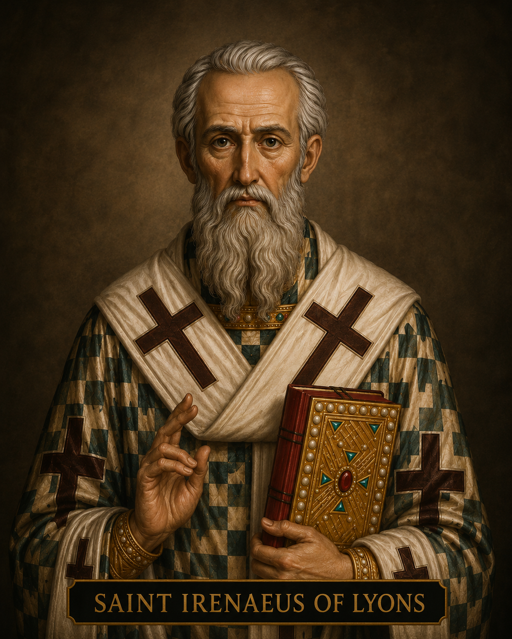
Portrait of St. Irenaeus of Lyons

Doctor Unitatis — Doctor of Unity

St. Irenaeus of Lyons

Eastern tradition
Lived
c. 130 – c. 202
Declared
2022 · Pope Francis
Feast
June 28

Bishop of Lyons and a disciple of St. Polycarp, who himself had sat at the feet of the Apostle John. His Adversus Haereses dismantled the Gnostic heresies and gave the Church her first great theology of apostolic Tradition and succession. The earliest of the Doctors, he bridges East and West — born in Asia Minor, shepherd in Gaul. He is traditionally venerated as a martyr (the tradition goes back to Eusebius and Jerome), though the historical evidence is not conclusive.
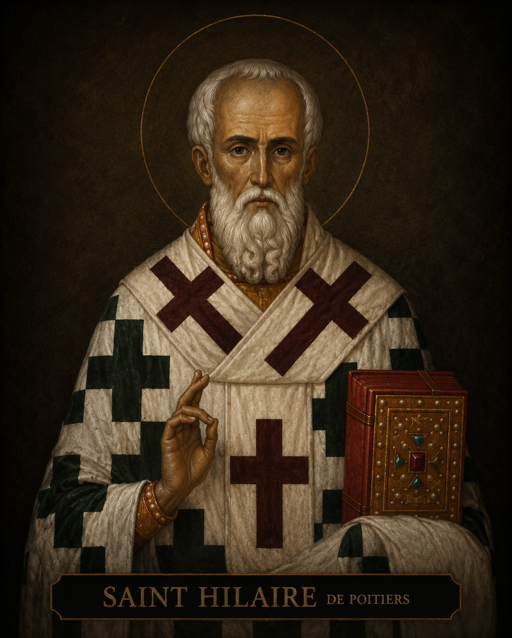
Portrait of St. Hilary of Poitiers

The Athanasius of the West · Hammer of the Arians

St. Hilary of Poitiers

Lived
c. 310 – 367
Declared
1851 · Bl. Pius IX
Feast
January 13 (trad. January 14)

A pagan convert who became Bishop of Poitiers, he was exiled to the East by the Arian emperor Constantius II for refusing to condemn Athanasius — and used the exile to write De Trinitate, the West's first great treatise on the Blessed Trinity. He returned to purge Gaul of Arianism.

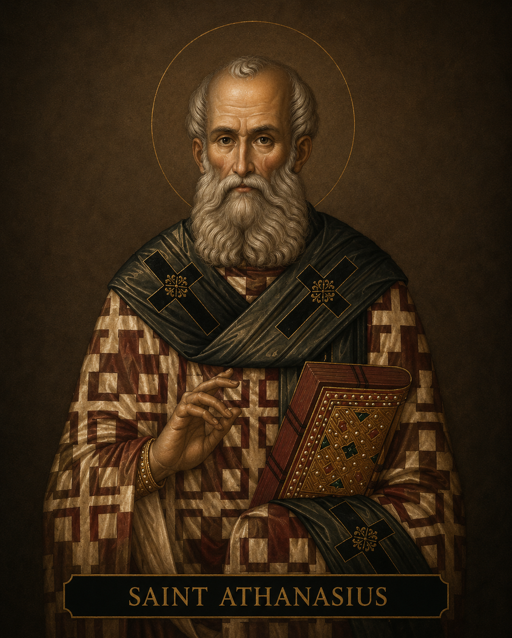
Portrait of St. Athanasius

Father of Orthodoxy

St. Athanasius

Eastern tradition
Lived
c. 297 – 373
Declared
1568 · St. Pius V
Feast
May 2

Bishop of Alexandria and the immovable defender of the divinity of Christ against Arianism — exiled five times, standing Athanasius contra mundum, "Athanasius against the world." His On the Incarnation remains a cornerstone of Christology, and his Life of Antony kindled monasticism across the whole Church.

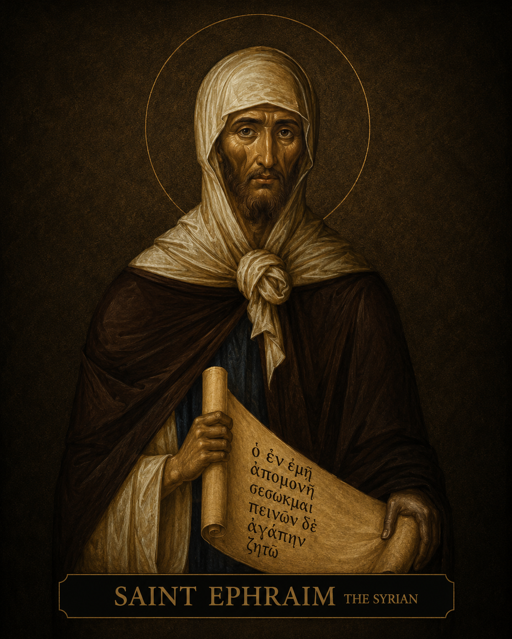
Portrait of St. Ephrem the Syrian

Harp of the Holy Spirit

St. Ephrem the Syrian

Only DeaconEastern tradition
Lived
c. 306 – 373
Declared
1920 · Benedict XV
Feast
June 9 (trad. June 18)

Deacon of Edessa and the great poet-theologian of the Syriac Church, who taught doctrine through hundreds of hymns of surpassing beauty — on the Nativity, the Eucharist, and Our Lady, whom he sang as all-pure centuries before the schisms.

The only deacon among the thirty-eight Doctors — never ordained to the priesthood or episcopate.

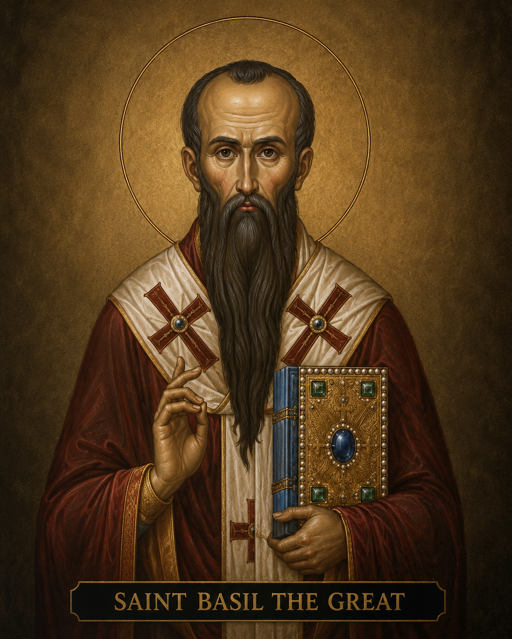
Portrait of St. Basil the Great

Father of Eastern Monasticism

St. Basil the Great

Holy HierarchEastern tradition
Lived
c. 330 – 379
Declared
1568 · St. Pius V
Feast
January 2 (trad. June 14)

Bishop of Caesarea in Cappadocia, brother of St. Gregory of Nyssa and friend of St. Gregory Nazianzen — together the "Cappadocian Fathers." His treatise On the Holy Spirit secured the Church's confession of the Third Person of the Trinity; his monastic rule still governs Eastern religious life; his "Basiliad" — a hospital and poorhouse complex — was the wonder of the age.

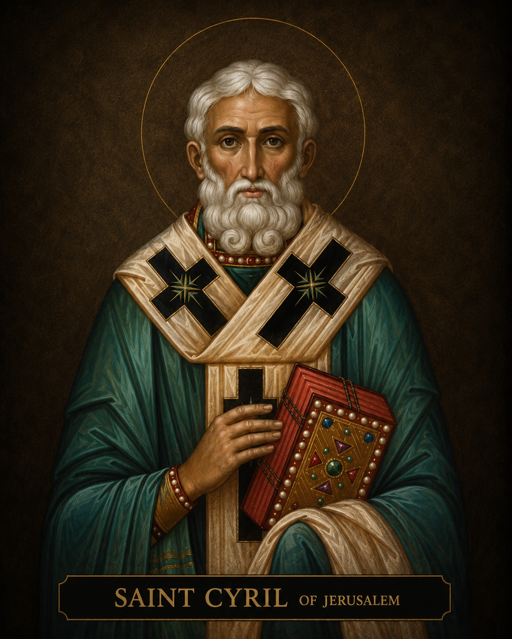
Portrait of St. Cyril of Jerusalem

Catechist of the Holy City

St. Cyril of Jerusalem

Eastern tradition
Lived
c. 315 – 386
Declared
1883 · Leo XIII
Feast
March 18

Bishop of Jerusalem, exiled three times by the Arians. His Catechetical Lectures, delivered to catechumens beside the Holy Sepulchre, remain a priceless witness to the fourth-century Church's teaching on the Creed, Baptism, Confirmation, and the Real Presence of Christ in the Eucharist.

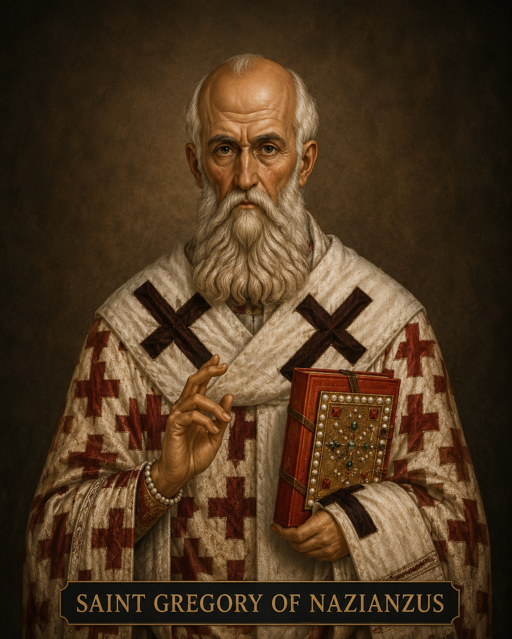
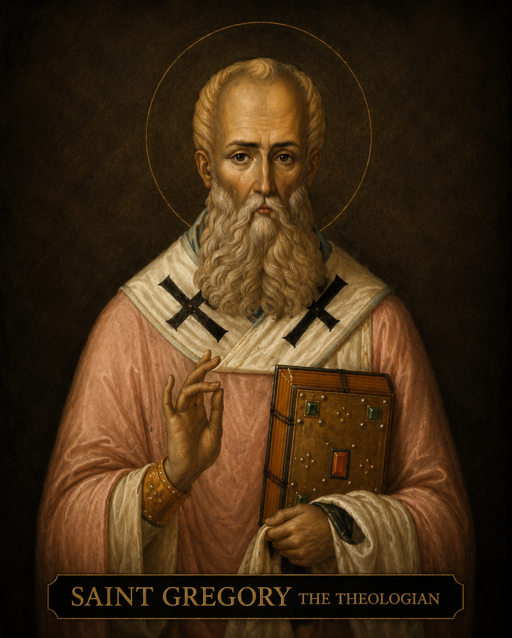
Portrait of St. Gregory Nazianzen

The Theologian

St. Gregory Nazianzen

Holy HierarchEastern tradition
Lived
c. 329 – 390
Declared
1568 · St. Pius V
Feast
January 2 (trad. May 9)

Cappadocian Father and briefly Archbishop of Constantinople, whose Five Theological Orations on the Trinity earned him, alone in the East beside the Apostle John, the simple title "the Theologian." A reluctant prelate and a poet, he preferred contemplation to the throne he was given.

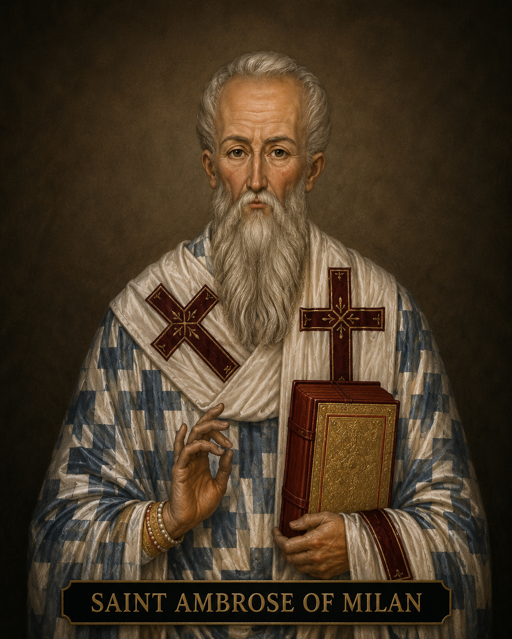
Portrait of St. Ambrose of Milan

Pastor of Milan · Teacher of Augustine

St. Ambrose

Great Latin Doctor
Lived
c. 340 – 397
Declared
1298 · Boniface VIII
Feast
December 7

Roman governor of Milan, acclaimed bishop by the people while still a catechumen. He faced down emperors — barring Theodosius from the church until he did public penance for the Thessalonica massacre — fought Arianism, enriched the Latin Church with hymns still sung today, and preached the sermons that converted St. Augustine, whom he baptized.

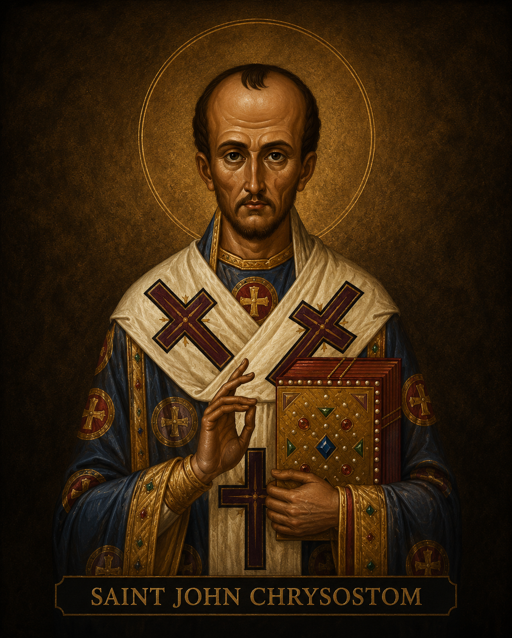
Portrait of St. John Chrysostom

Chrysostomos — the Golden-Mouthed

St. John Chrysostom

Holy HierarchEastern tradition
Lived
c. 347 – 407
Declared
1568 · St. Pius V
Feast
September 13 (trad. January 27)

Archbishop of Constantinople and the greatest preacher the Church has known, whose homilies on Matthew, John, and St. Paul are still the standard of scriptural preaching. His fearless rebukes of imperial luxury — directed at the Empress Eudoxia — earned him two exiles, and he died on the second, with the words, "Glory be to God for all things."

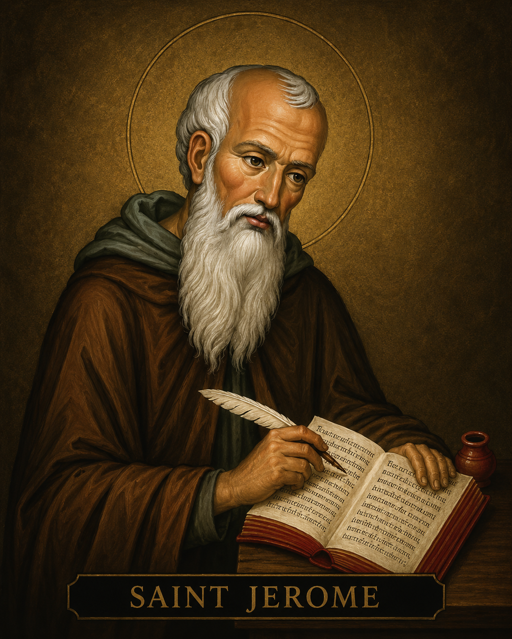
Portrait of St. Jerome

Father of Biblical Science

St. Jerome

Great Latin Doctor
Lived
c. 345 – 420
Declared
1298 · Boniface VIII
Feast
September 30

Scholar, hermit, and secretary to Pope Damasus, who spent his last decades in a cave at Bethlehem producing the Vulgate — the Latin Bible that would carry the Word of God to the West for fifteen centuries. Fiery in temperament, tireless in labour: "Ignorance of the Scriptures is ignorance of Christ."

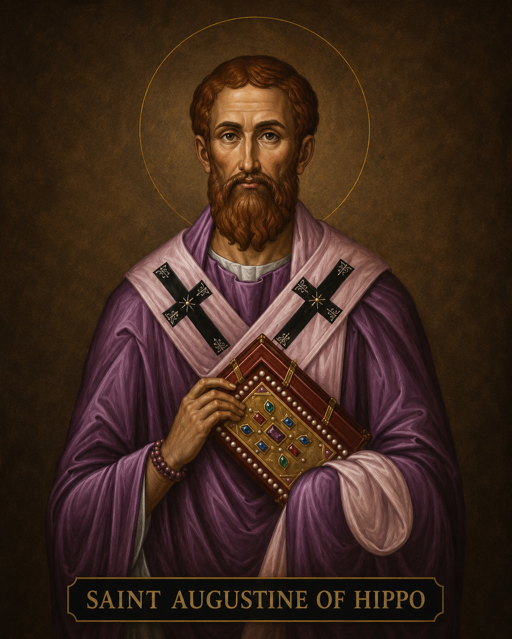
Portrait of St. Augustine of Hippo

Doctor Gratiae — Doctor of Grace

St. Augustine of Hippo

Great Latin Doctor
Lived
354 – 430
Declared
1298 · Boniface VIII
Feast
August 28

The prodigal rhetorician won for Christ by his mother Monica's tears and Ambrose's preaching, who became Bishop of Hippo and the most influential theologian of the Western Church. His Confessions and City of God, and his battles against the Manichees, Donatists, and Pelagians, defined the Church's doctrine of grace. Before his conversion he lived for over a decade with a concubine and fathered a son, Adeodatus — a history he recounts with unflinching candour in the Confessions. "Thou hast made us for Thyself, O Lord, and our heart is restless until it rests in Thee."

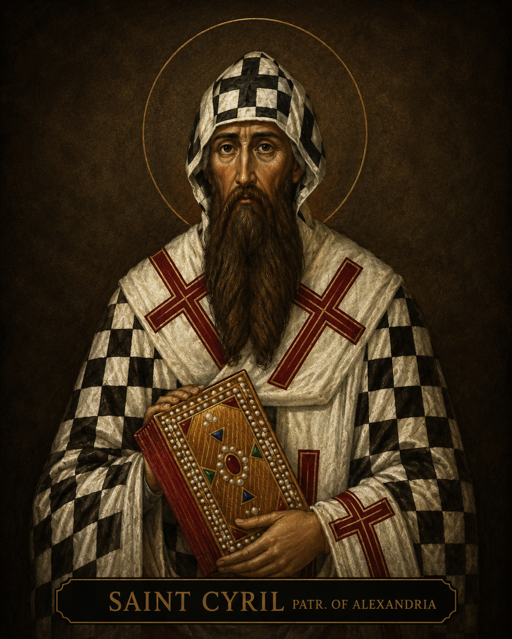
Portrait of St. Cyril of Alexandria

Doctor of the Incarnation

St. Cyril of Alexandria

Eastern tradition
Lived
c. 376 – 444
Declared
1883 · Leo XIII
Feast
June 27 (trad. February 9)

Patriarch of Alexandria who presided over the Council of Ephesus in 431, where Nestorius was condemned and the Blessed Virgin solemnly confessed as Theotokos — Mother of God. His Christology, that the Word truly became flesh in one divine Person, undergirds every later council. His patriarchate was also marked by severe communal violence: the expulsion of the Jewish community from Alexandria (415) and the murder of the philosopher Hypatia occurred under his rule — episodes that remain historically disputed but historically documented.

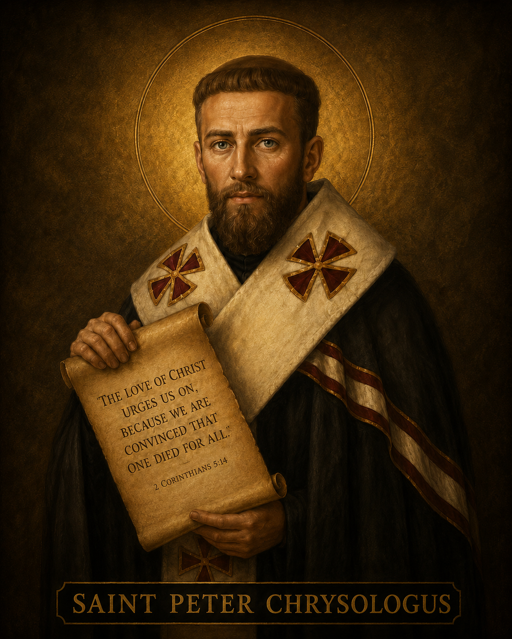
Portrait of St. Peter Chrysologus

Chrysologus — the Golden-Worded

St. Peter Chrysologus

Lived
c. 380 – 450
Declared
1729 · Benedict XIII
Feast
July 30 (trad. December 4)

Archbishop of Ravenna when it was the imperial capital of the West, famed for homilies so brief and so burning that he feared to tire his hearers before he had set them alight. Nearly two hundred survive, models of clarity on the Creed, the Incarnation, and the Our Father.

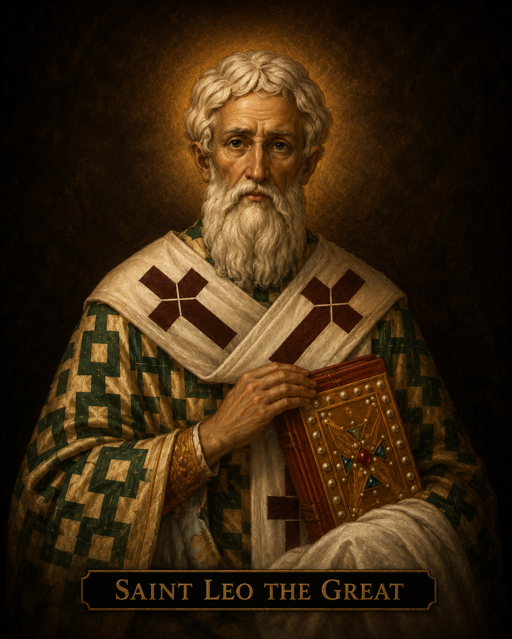
Portrait of Pope St. Leo the Great

Doctor of the Church's Unity and of the Incarnation

Pope St. Leo the Great

Pope
Lived
c. 400 – 461
Declared
1754 · Benedict XIV
Feast
November 10 (trad. April 11)

The pope whose Tome, read at the Council of Chalcedon in 451, drew the cry "Peter has spoken through Leo!" — settling that Christ is one Person in two natures, true God and true man. The same Leo rode out to meet Attila the Hun at the River Mincio (452) and turned him back from Rome.

One of only two popes among the thirty-eight Doctors — the other is Gregory the Great.

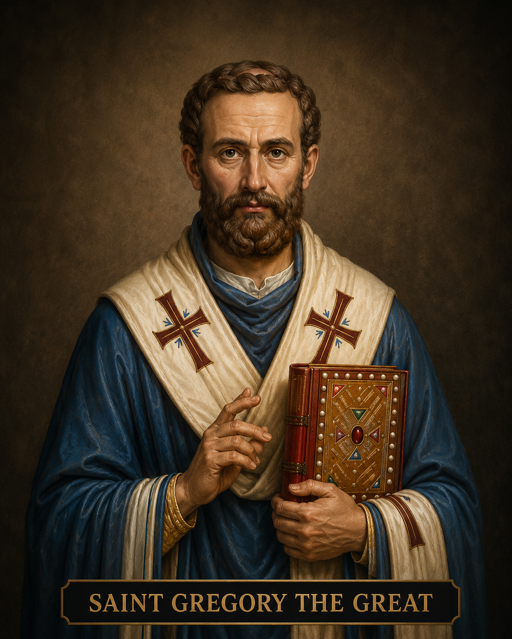
Portrait of Pope St. Gregory the Great

Servus Servorum Dei — Servant of the Servants of God

Pope St. Gregory the Great

PopeGreat Latin Doctor
Lived
c. 540 – 604
Declared
1298 · Boniface VIII
Feast
September 3 (trad. March 12)

Prefect of Rome turned monk, then pope, who governed a collapsing world with a shepherd's heart. His Pastoral Rule formed bishops for a thousand years, his Moralia on Job shaped medieval spirituality, sacred chant bears his name, and he sent St. Augustine of Canterbury to convert the English.

One of only two popes among the thirty-eight Doctors — the other is Leo the Great.

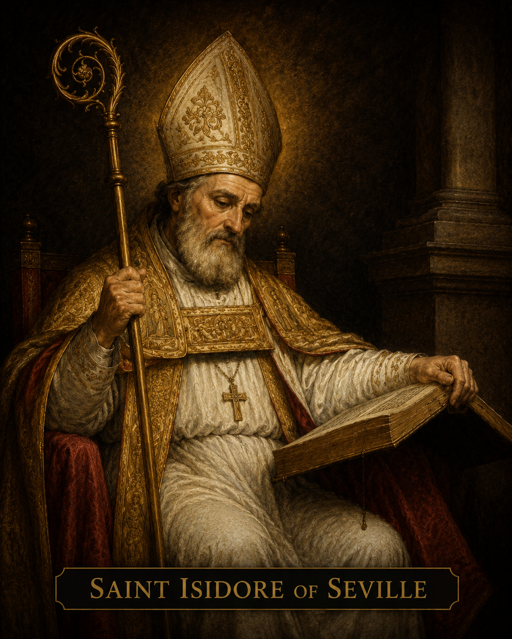
Portrait of St. Isidore of Seville

The Schoolmaster of the Middle Ages

St. Isidore of Seville

Lived
c. 560 – 636
Declared
1722 · Innocent XIII
Feast
April 4

Archbishop of Seville, regarded as the most learned man of his age, whose Etymologies — a vast encyclopedia of all sacred and secular knowledge — preserved classical learning through the darkest centuries. Often counted the last of the Latin Fathers, he presided over the Fourth Council of Toledo (633), which shaped the Visigothic Church.

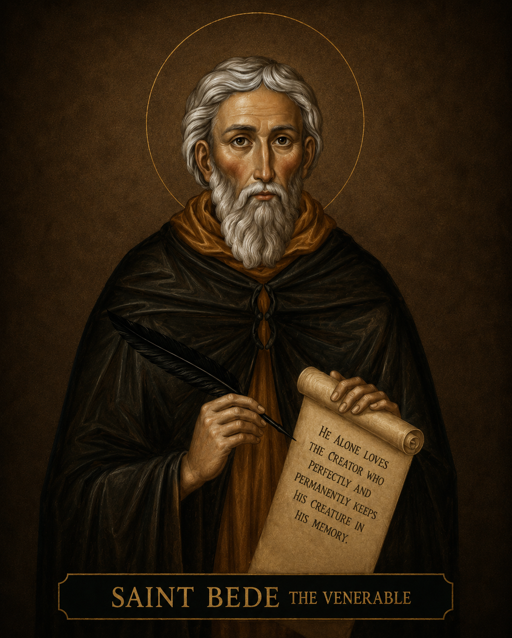
Portrait of St. Bede the Venerable

Father of English History

St. Bede the Venerable

Lived
c. 673 – 735
Declared
1899 · Leo XIII
Feast
May 25 (trad. May 27)

Benedictine monk of Jarrow who never travelled far from his monastery yet mastered all the learning of his day. His Ecclesiastical History of the English People founded English historiography, and his Scripture commentaries fed the medieval Church. He died dictating a translation of St. John's Gospel.

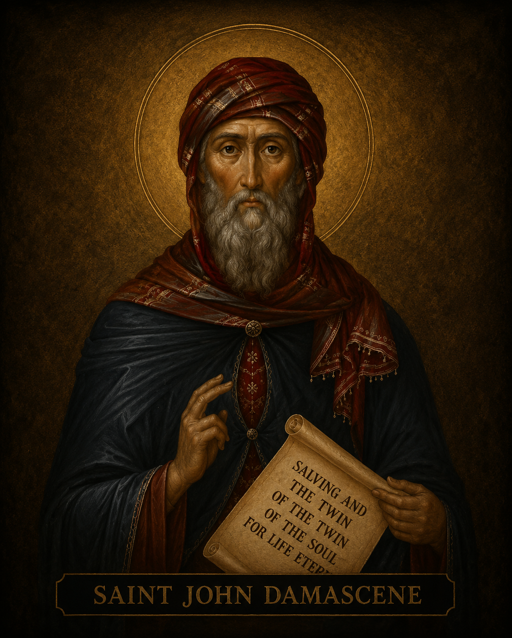
Portrait of St. John Damascene

Doctor of Christian Art · Last of the Greek Fathers

St. John Damascene

Eastern tradition
Lived
c. 676 – 749
Declared
1890 · Leo XIII
Feast
December 4 (trad. March 27)

Official at the Umayyad court of Damascus who became a monk of Mar Saba in the Judean desert. His treatises in defense of the holy images answered the Iconoclast heresy for all time, and his Fount of Knowledge gathered the whole teaching of the Greek Fathers into one great summa — the first systematic theology of the Eastern Church.

c. 951 – 1380

The Medieval Doctors

The age of monastery and university, when faith sought understanding and Scholasticism raised its cathedrals of thought.

Portrait of St. Gregory of Narek

The Mystic Poet of Armenia

St. Gregory of Narek

Armenian tradition
Lived
c. 951 – 1003
Declared
2015 · Pope Francis
Feast
February 27

Monk of the Narek monastery and the great voice of Armenian Christianity. His Book of Lamentations (Matean Voghbergutyan) — ninety-five prayers he called "conversations with God from the depths of the heart" — is treasured by Armenians as a second Scripture.

The first Doctor drawn from the Armenian tradition.

Portrait of St. Peter Damian

Monitor of the Popes

St. Peter Damian

Lived
1007 – 1072
Declared
1828 · Leo XII
Feast
February 21 (trad. February 23)

Orphan of Ravenna who became a hermit of Fonte Avellana and, against his will, Cardinal-Bishop of Ostia. The fiercest reformer of his century, he scourged clerical corruption and simony without fear of prince or prelate, then begged to return to his cell. His Liber Gomorrhianus (c. 1049) demanded severe penalties for clerical sexual misconduct — so unsparing that even Pope Leo IX considered his recommendations excessive.
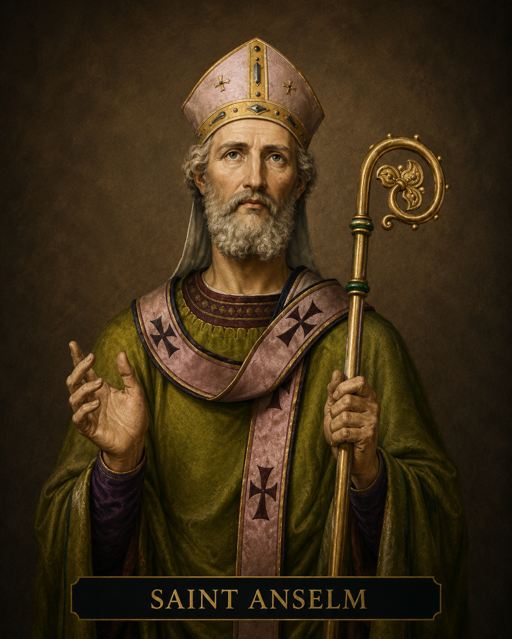
Portrait of St. Anselm of Canterbury

Doctor Magnificus · Father of Scholasticism

St. Anselm

Lived
1033 – 1109
Declared
1720 · Clement XI
Feast
April 21

Abbot of Bec and Archbishop of Canterbury, twice exiled for defending the Church's liberty against kings. His motto fides quaerens intellectum — faith seeking understanding — set the programme of all Scholastic theology; his Cur Deus Homo gave the classic account of why God became man; his ontological argument for God's existence remains one of the most discussed proofs in the history of philosophy.

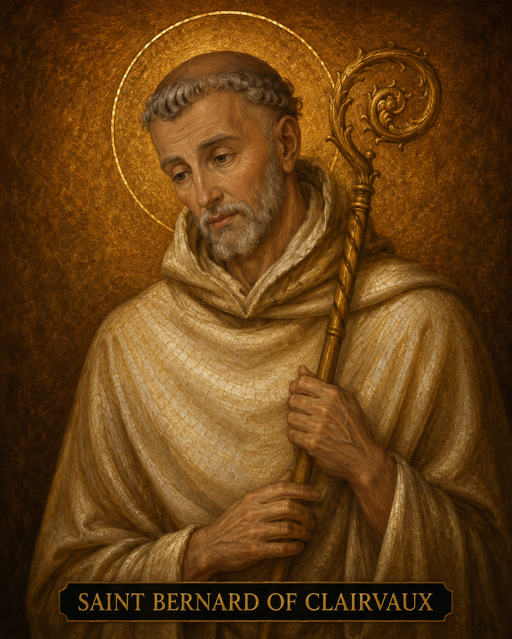
Portrait of St. Bernard of Clairvaux

Doctor Mellifluus — the Mellifluous Doctor · Last of the Fathers

St. Bernard of Clairvaux

Lived
1090 – 1153
Declared
1830 · Pius VIII
Feast
August 20

Cistercian abbot who filled Europe with monasteries, counselled popes, and preached the Second Crusade, yet whose heart lay in his Sermons on the Song of Songs and in tender devotion to the Holy Name of Jesus and to Our Lady — "of Mary there is never enough." His fiery preaching of the Second Crusade (1147–1149) contributed to anti-Jewish violence in the Rhineland — though he also personally intervened to stop massacres of Jews, a complexity that defines his legacy.

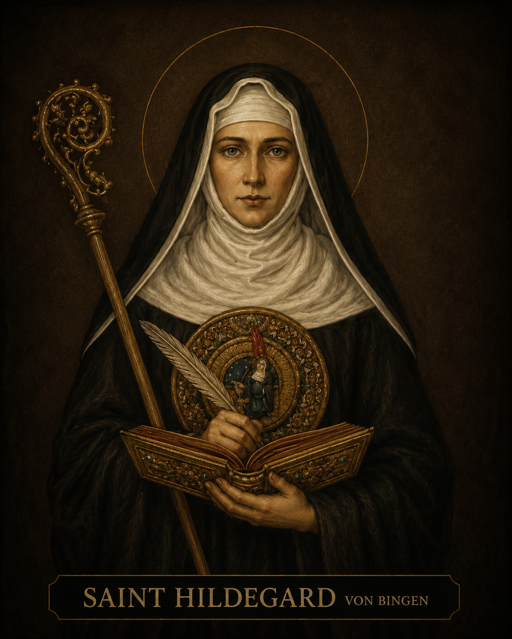
Portrait of St. Hildegard of Bingen

The Sibyl of the Rhine

St. Hildegard of Bingen

Woman Doctor
Lived
1098 – 1179
Declared
2012 · Benedict XVI
Feast
September 17

Benedictine abbess, visionary, composer, physician, and naturalist — the most versatile genius of her century. Her Scivias records the visions she received from childhood, examined and approved in her own lifetime.

Her musical compositions — over seventy surviving liturgical songs — are among the most performed medieval works today.

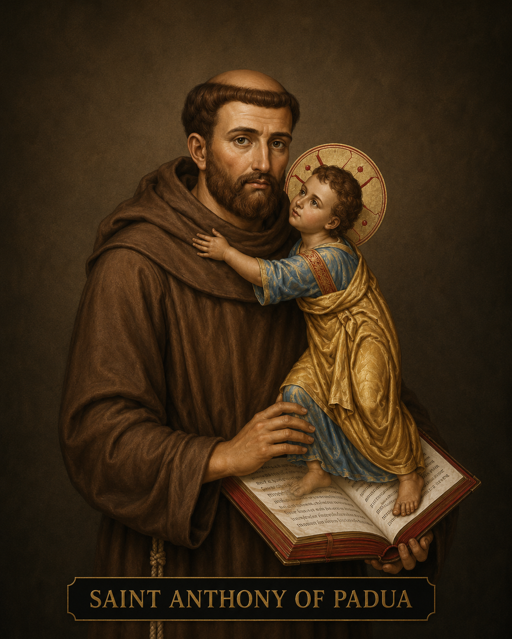
Portrait of St. Anthony of Padua

Doctor Evangelicus — the Evangelical Doctor · Hammer of Heretics

St. Anthony of Padua

Lived
1195 – 1231
Declared
1946 · Pius XII
Feast
June 13

Portuguese Augustinian who joined the new Franciscan order hoping for martyrdom and became instead its first theologian and greatest preacher. His command of Scripture moved St. Francis himself to entrust him with teaching the friars. Known to the world as a wonder-worker, he was to his own age above all a doctor of the Gospel.

He died at only 35 — among the youngest Doctors at death, after Thérèse.

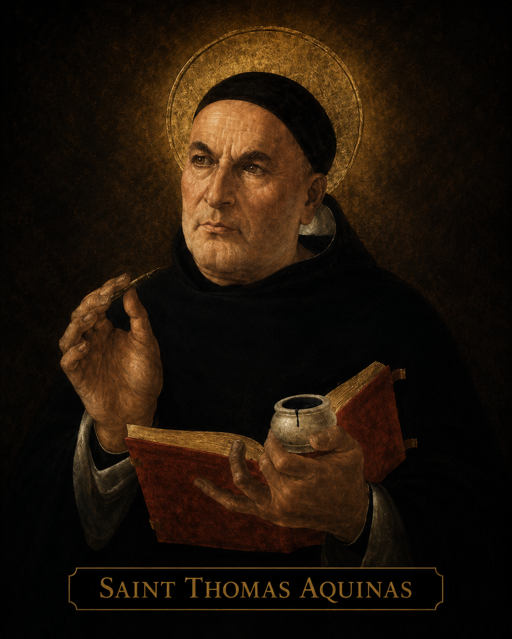
Portrait of St. Thomas Aquinas

Doctor Angelicus — the Angelic Doctor · Doctor Communis

St. Thomas Aquinas

Lived
1225 – 1274
Declared
1567 · St. Pius V
Feast
January 28 (trad. March 7)

Dominican friar whose Summa Theologiae remains the supreme synthesis of faith and reason, the common doctor of all Catholic schools. He also gave the Church her Eucharistic hymns — Pange Lingua, Adoro Te Devote — and, having seen a vision near death, called all he had written "straw" beside it. Co-patron of Catholic education, now joined in that office by St. John Henry Newman.

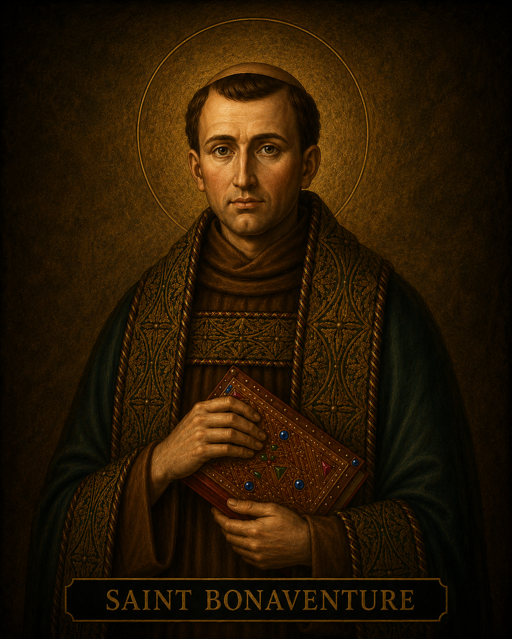
Portrait of St. Bonaventure

Doctor Seraphicus — the Seraphic Doctor

St. Bonaventure

Lived
c. 1221 – 1274
Declared
1588 · Sixtus V
Feast
July 15 (trad. July 14)

Minister General of the Franciscans and Cardinal-Bishop of Albano, the mystical counterpart to his friend Aquinas' scholastic genius. His Journey of the Mind into God traces the soul's ascent through creation to ecstatic union. He died during the Council of Lyons, in the same year as Thomas.

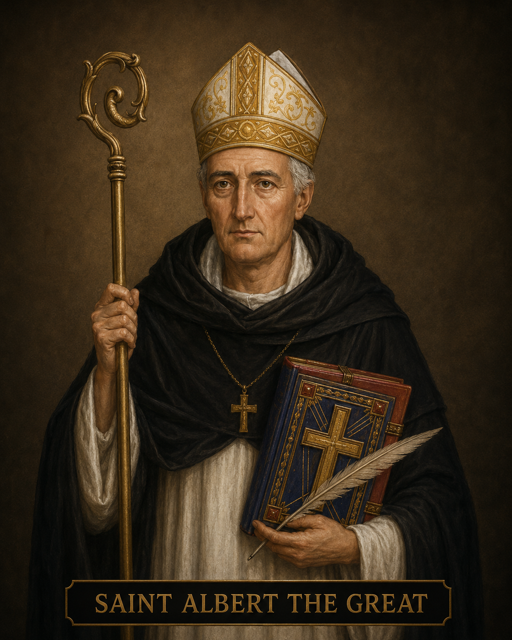
Portrait of St. Albert the Great

Doctor Universalis — the Universal Doctor

St. Albert the Great

Lived
c. 1200 – 1280
Declared
1931 · Pius XI
Feast
November 15

German Dominican and Bishop of Regensburg who mastered every science of his age — theology, philosophy, botany, astronomy, mineralogy — and taught them all. The teacher of St. Thomas Aquinas, whose greatness he foretold, and the patron of natural scientists.

He is one of only two Doctors whose canonization and Doctor declaration occurred on the same day — Albert on 16 December 1931, and Peter Canisius on 21 May 1925.

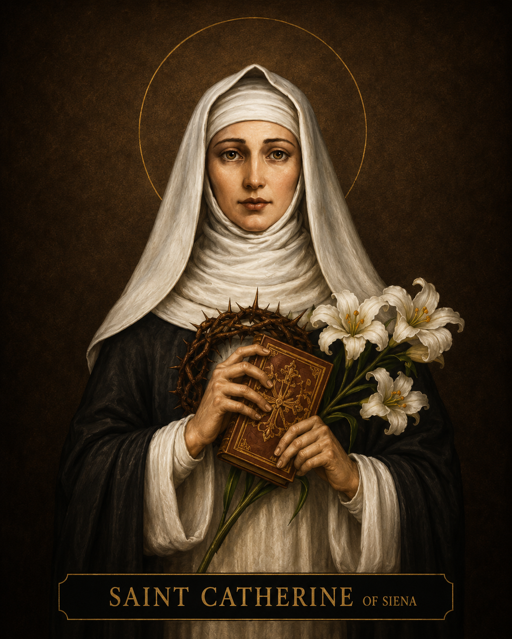
Portrait of St. Catherine of Siena

Mystic of the Precious Blood

St. Catherine of Siena

Woman Doctor
Lived
1347 – 1380
Declared
1970 · St. Paul VI
Feast
April 29 (trad. April 30)

Dominican tertiary, unlettered by the world's standards, who dictated the Dialogue in ecstasy and wrote to popes and princes with the authority of the Holy Ghost — persuading Gregory XI to bring the papacy home from Avignon to Rome. Co-patroness of Italy and of Europe.

She and Teresa of Ávila were declared on the same day — 27 September 1970 — making them jointly the first women ever honoured with this title.

1499 – 1622

Reformation & Early Modern Doctors

The age of reform and counter-reform, of Carmel's mystics and the great apologists who held Europe to the Faith.

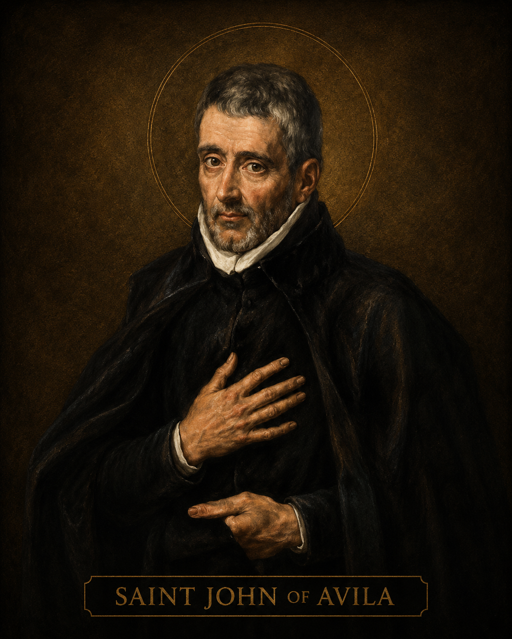
Portrait of St. John of Ávila

Apostle of Andalusia

St. John of Ávila

Lived
1499 – 1569
Declared
2012 · Benedict XVI
Feast
May 10

Spanish secular priest whose preaching set southern Spain ablaze and whose treatise Audi, Filia guided souls for centuries. A reformer of the clergy before Trent asked for one, he was spiritual counsellor to St. Teresa of Ávila, St. John of God, and St. Francis Borgia. He was briefly investigated by the Inquisition (1531) on suspicion of illuminism — he was acquitted — a fact that underscores how even the greatest saints could be caught in the cross-currents of their age.

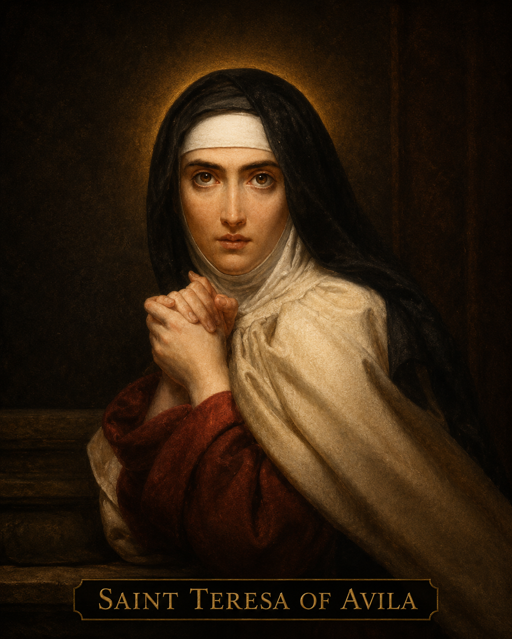
Portrait of St. Teresa of Ávila

Doctor of Prayer · Mater Spiritualium

St. Teresa of Ávila

Woman Doctor
Lived
1515 – 1582
Declared
1970 · St. Paul VI
Feast
October 15

Carmelite reformer and foundress of the Discalced Carmel, whose Interior Castle and Way of Perfection map the soul's progress through the mansions of prayer to union with God. "Let nothing disturb thee... God alone suffices."

She and Catherine of Siena were declared on the same day — 27 September 1970 — jointly the first women ever declared Doctors of the Church.

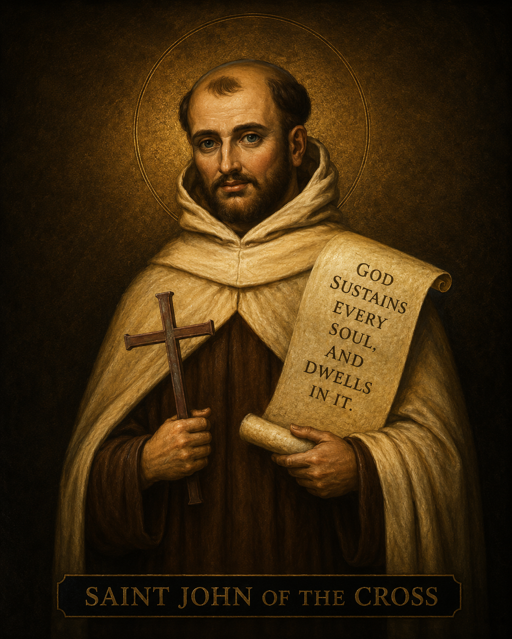
Portrait of St. John of the Cross

Doctor Mysticus — the Mystical Doctor

St. John of the Cross

Lived
1542 – 1591
Declared
1926 · Pius XI
Feast
December 14 (trad. November 24)

Discalced Carmelite friar, co-reformer with St. Teresa, imprisoned by his own brethren for the reform — and in that prison composed some of the greatest poetry in the Spanish tongue. His Dark Night of the Soul and Ascent of Mount Carmel chart the soul's purgation on its way to divine union.

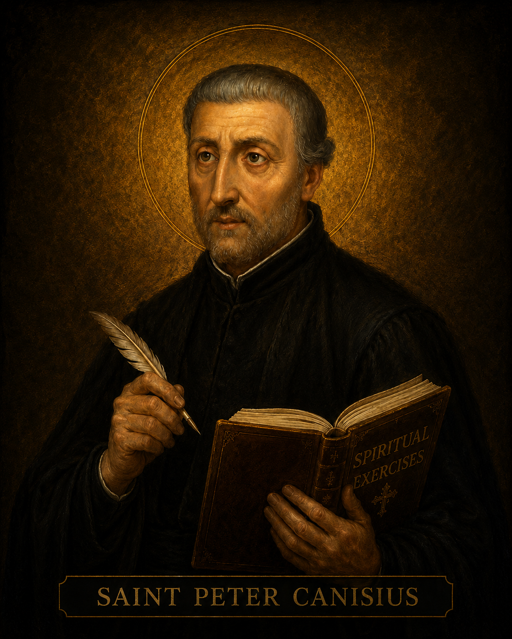
Portrait of St. Peter Canisius

Second Apostle of Germany

St. Peter Canisius

Lived
1521 – 1597
Declared
1925 · Pius XI
Feast
December 21 (trad. April 27)

Dutch Jesuit, the first of St. Ignatius' companions to enter Germany, whose catechisms — printed in hundreds of editions — held the German-speaking lands to the Faith after the Protestant revolt.

One of only two Doctors whose canonization and Doctor declaration occurred on the same day — Canisius on 21 May 1925, and Albert the Great on 16 December 1931.

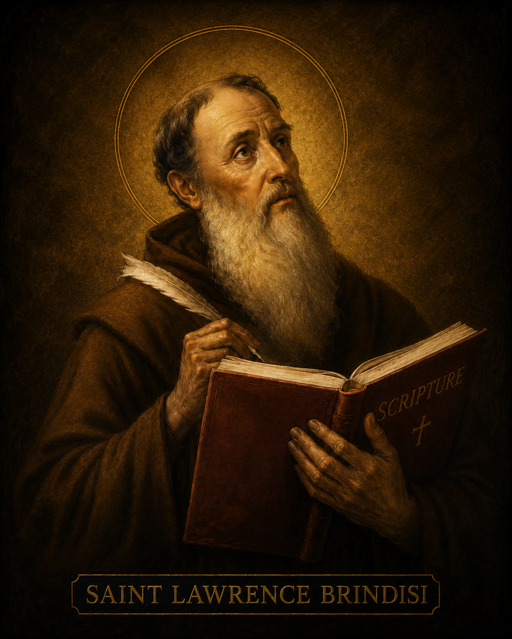
Portrait of St. Lawrence of Brindisi

Doctor Apostolicus — the Apostolic Doctor

St. Lawrence of Brindisi

Lived
1559 – 1619
Declared
1959 · St. John XXIII
Feast
July 21

Capuchin friar who preached across Europe in half a dozen tongues, knew the Scriptures in Hebrew and Greek, and — crucifix in hand — rode at the head of the imperial army against the Ottoman Turks at the Battle of Székesfehérvár (1601). His collected sermons and commentaries fill fifteen volumes.

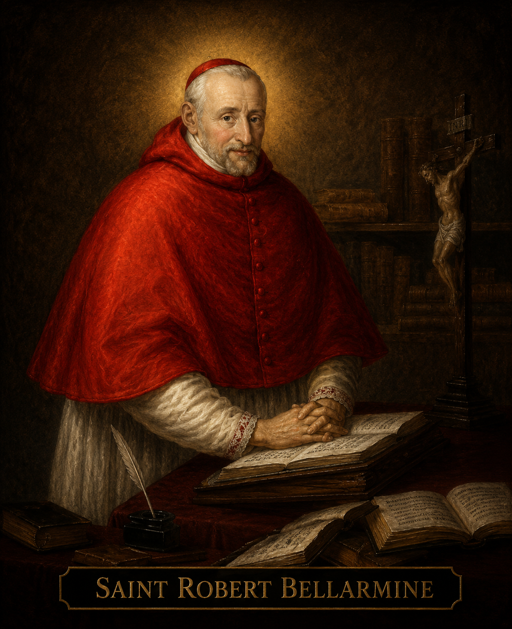
Portrait of St. Robert Bellarmine

Prince of Apologists

St. Robert Bellarmine

Lived
1542 – 1621
Declared
1931 · Pius XI
Feast
September 17 (trad. May 13)

Jesuit cardinal and Archbishop of Capua whose Controversies gave the definitive systematic defense of Catholic doctrine against the Reformers — so formidable that chairs were founded in Protestant universities solely to answer him. Spiritual father of St. Aloysius Gonzaga, and author of catechisms used for three centuries. As a leading theologian of the Holy Office, he issued the formal admonition to Galileo Galilei in 1616, instructing him to abandon the Copernican heliocentric model — the most discussed episode in the history of science and religion.

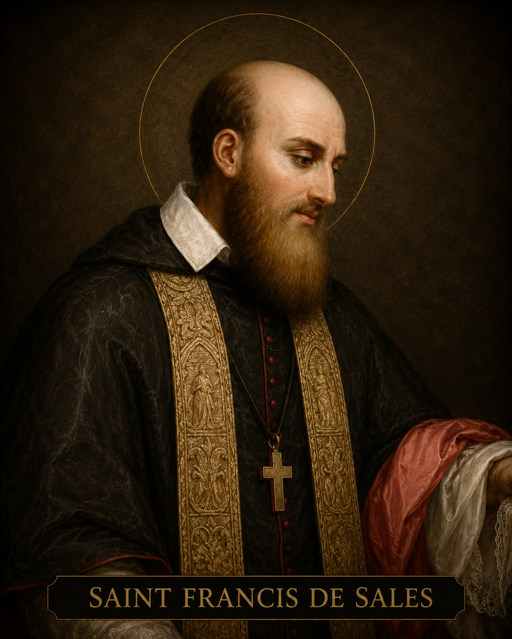
Portrait of St. Francis de Sales

Doctor of Divine Love · The Gentleman Saint

St. Francis de Sales

Lived
1567 – 1622
Declared
1877 · Bl. Pius IX
Feast
January 24 (trad. January 29)

Bishop of Geneva who won back the Chablais from Calvinism by patience, charity, and pamphlets slipped under doors. His Introduction to the Devout Life taught what few had dared say plainly: that holiness is for the layman in the world, not only the cloister. Patron of writers and journalists.

1696 – 1897

The Modern Doctors

The age of the confessional and the cloister of Lisieux, of moral theology for the many and the little way for all.

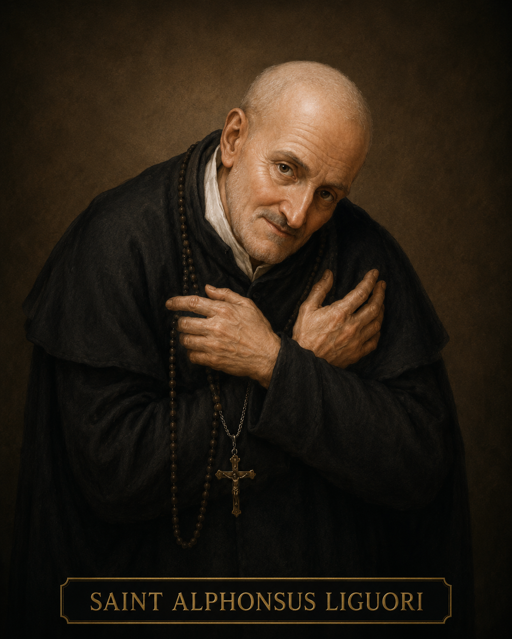
Portrait of St. Alphonsus Liguori

Prince of Moral Theologians · Doctor Zelantissimus

St. Alphonsus Liguori

Lived
1696 – 1787
Declared
1871 · Bl. Pius IX
Feast
August 1 (trad. August 2)

Brilliant Neapolitan lawyer who left the bar for the altar, founded the Redemptorists to preach to the most abandoned souls, and became a bishop against his will. His Moral Theology steered the Church between laxity and rigorism, and his Glories of Mary remains the classic of Marian devotion. Patron of confessors and moral theologians.

He holds the record for the shortest gap between death and declaration among all the Doctors: only 84 years.

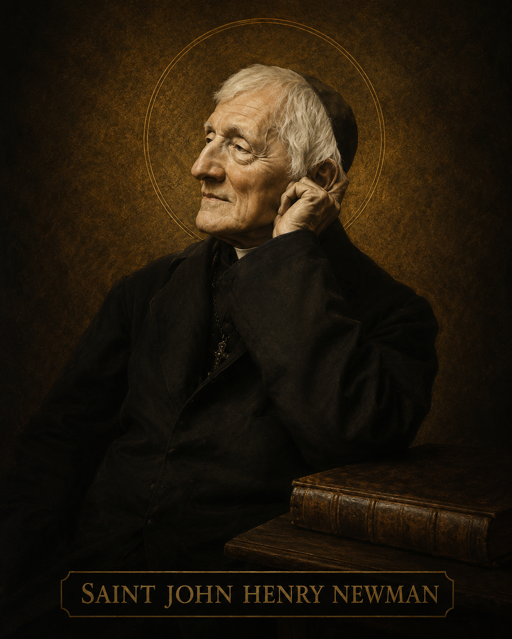
Portrait of St. John Henry Newman

Cor ad cor loquitur — Heart speaks to heart

St. John Henry Newman

Only ConvertMost Recent — 2025
Lived
1801 – 1890
Declared
Nov. 1, 2025 · Leo XIV
Feast
October 9

English cardinal and the most consequential convert of the modern age: leader of the Oxford Movement, received into the Church in 1845 at the cost of position, friends, and family. His Essay on the Development of Christian Doctrine, Apologia Pro Vita Sua, and Grammar of Assent shaped Catholic thought down to our own day. Proclaimed on All Saints Day 2025 by Pope Leo XIV and named co-patron of Catholic education beside St. Thomas Aquinas.

The only Doctor who was a convert from another Christian tradition (Anglicanism). 38th by declaration; 37th by date of death.

Portrait of St. Thérèse of Lisieux

The Little Flower · Doctor of the Little Way

St. Thérèse of Lisieux

Woman Doctor
Lived
1873 – 1897
Declared
1997 · St. John Paul II
Feast
October 1 (trad. October 3)

Discalced Carmelite of Lisieux, dead of tuberculosis at twenty-four, whose Story of a Soul has led millions along her "little way" of confidence and love — doing small things with great love. Though she never left her cloister, she is patroness of the missions.
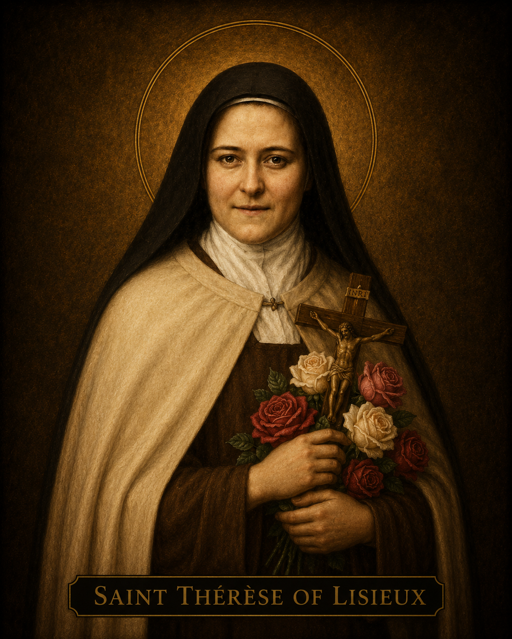
The youngest of all the Doctors at death. 37th by declaration; 38th by date of death.

At a Glance

The Doctors in Numbers

38
Total Doctors of the Church
4
Women Doctors
2
Popes among the Doctors
1
Deacon — St. Ephrem
727 yrs
Span of declarations, 1298 – 2025
84 yrs
Shortest death-to-declaration gap — St. Alphonsus

Gender

Men34
Women4

The four women Doctors are St. Hildegard of Bingen, St. Catherine of Siena, St. Teresa of Ávila, and St. Thérèse of Lisieux. Catherine and Teresa were declared jointly on September 27, 1970.

Rank & State in Life

Bishops19
Priests (non-bishop)12
Women Religious4
Popes2
Deacon1

The four women Doctors — Hildegard of Bingen, Catherine of Siena, Teresa of Ávila, and Thérèse of Lisieux — are unordained religious.

Geographic Origin

Europe28
Asia & Middle East7
North Africa3

The list is heavily weighted toward Europe and the ancient Mediterranean world; no Doctor has yet come from the Americas, Sub-Saharan Africa, or East Asia.

"And he gave some apostles, and some prophets, and other some evangelists, and other some pastors and doctors."
Ephesians 4:11

Go Deeper

Further Study

Collected for the faithful of The Layman's Lantern.
← Back to The Faith